Buying a home takes a team. Here on The Connection Blog, I introduce you to some of the people I work with, share their stories, and ask the questions you might have when you’re buying a home of your own.
I’ve helped quite a few veterans buy homes and I’m grateful they’ve trusted me with that part of their lives. This Veterans Day, I want you to meet Jeremy Carlin, a lender with ProVisor. Jeremy and I have worked together before and he’s someone I turn to when a buyer has questions about financing.
One question I wanted to ask Jeremy is whether a veteran can really buy a home with no down payment and, if so, what they should still plan to pay at closing. But before we talk numbers, let me introduce him.
Cindy: Jeremy, you and I know each other through work, but for the readers meeting you for the first time, tell us a little about yourself.
Jeremy: First and foremost, I'm a husband and a dad to four boys. Family is a huge part of my life and it's really what drives everything I do.
Before getting into the mortgage industry, I spent over 20 years in ministry, much of that time as a worship pastor. Those years taught me a lot about serving people, building relationships, and walking alongside families through some of life's biggest moments.
Today, I get to carry that same passion for people into mortgage lending with ProVisor Mortgage Solutions. My role may look different but my heart for people hasn't changed. I love helping families navigate the home buying process, understand their options, and make confident decisions about their future.
Outside of work, you'll usually find me spending time with my family, cheering my boys from the sidelines, or enjoying the outdoors.
Cindy: What an interesting background. How did you get into mortgage lending?
Jeremy: My journey into mortgage lending actually started with my own family's experience. For four years in a row, my wife and I were denied a home loan by a big-box bank. We were raising three young boys, with a fourth on the way, and all we wanted was a place to call our own. A place where our kids could grow up, where we could make memories, and where we could finally put down roots.
After years of renting and hearing "no," we were introduced to ProVisor. They took the time to look at our situation differently, and for the first time, someone said "yes!”
I'll never forget what that felt like. After years of wondering if homeownership would ever happen for us, we finally had the keys to our own home. We could paint the walls whatever color we wanted, hang pictures wherever we wanted, and watch our boys grow up in a place that was truly ours. It might sound simple, but when you've waited years for something like that, those little things mean everything.
That experience stayed with me. I realized there were other families out there just like ours. People working hard, doing their best, and dreaming of owning a home, but feeling discouraged because someone had told them it wasn't possible.
Today, I don't see my job as simply approving mortgages. I see it as an opportunity to give families the same hope, excitement, and pride of homeownership that someone once gave us
That's the heart behind my slogan, "Helping You Make Moves." Because sometimes the biggest move isn't just into a new house. It's moving from uncertainty to hope, from renting to owning, and from dreaming about a home to finally making it your own.
“ I realized there were other families out there just like ours. People working hard, doing their best, and dreaming of owning a home, but feeling discouraged because someone had told them it wasn’t possible.”
Cindy: Wow, what a full circle moment. Thanks for sharing your story. When a veteran takes out a VA loan, where is that money actually coming from?
Jeremy: This is a great question because there's a common misconception that the VA is actually lending the money.
In most cases, the mortgage comes from a private lender, just like a conventional mortgage. The Department of Veterans Affairs guarantees a portion of that loan, which reduces the lender's risk and allows us to offer some pretty incredible benefits to eligible veterans. Those benefits can include no down payment, competitive interest rates, and no monthly mortgage insurance.
I love explaining this to veterans because this isn't a government handout. It's a benefit they've earned through their service. Our job is to make sure they understand how to use it.
Cindy: Gotcha, that makes a lot of sense. Now, does someone need to retire from the military or serve in combat before they can get this?
Jeremy: Not at all! Many veterans, active-duty service members, qualifying National Guard and Reserve members, and certain surviving spouses may be eligible.
The first thing we typically do is help obtain their Certificate of Eligibility, or COE. This confirms their eligibility for the VA home loan benefit. From there, we review their financial picture and determine what options are available.
Cindy: And it’s true that a veteran can really buy a home with no down payment?
Jeremy: Absolutely, and it's one of the most powerful advantages of the VA loan program.
For eligible borrowers, a VA loan can allow them to purchase a home with zero down payment. Think about what that means for a family. Instead of spending years saving tens of thousands of dollars for a down payment, they may be able to become homeowners much sooner.
And here's something I think is important: just because a veteran can put zero down doesn't mean they have to. We can look at different scenarios and determine what makes the most financial sense for their situation.
At Veterans America, our slogan is "Own the Land You Defend." I love that message because it captures what this benefit is really about: helping those who have served our country achieve homeownership.
Of course, buyers still need to qualify, and property value and available entitlement matter. But zero down is a tremendous opportunity that make it easier to buy a home.
Cindy: That is an amazing benefit. Another amazing benefit is skipping monthly mortgage insurance (PMI). How does that affect what a buyer pays?
Jeremy: This is one of the benefits that doesn't always get enough attention.
With conventional loans, putting less than 20% down means paying private mortgage insurance. FHA loans also have mortgage insurance premiums built in. With a VA loan, there's no monthly mortgage insurance, even when putting zero down. That can make a meaningful difference in lowering the monthly payment.
When I work with veterans, I like to compare the entire financial picture, not just the interest rate. We look at principal, interest, property taxes, homeowners insurance, and any other applicable costs.
My goal isn't just to get someone into a house. It's to help them understand what they're paying for and feel comfortable with that payment long after closing.
Cindy: Okay, so if I put zero down, how much money should I have ready for closing?
Jeremy: Zero down doesn't necessarily mean zero dollars out of pocket but there are some great strategies we can use to help minimize what a veteran needs to bring to closing. There are still closing costs, prepaid expenses like homeowners insurance, and property taxes to consider.
Depending on the transaction, we may be able to negotiate seller credits or structure lender credits to help cover some of those expenses. I've worked on VA transactions where we've been able to significantly reduce a buyer's out-of-pocket costs by being strategic about how we structure the loan and offer.
This is where having a lender and real estate agent who communicate well really makes a difference. You and I can work together early in the process to understand what the buyer needs and structure a competitive offer with those goals in mind. In fact, just this year you and I helped a Veteran family close on a home, and they actually received a check back at closing!
My advice is to have this conversation before you start shopping so there aren't any surprises when you get to the closing table.
“In fact, just this year you and I helped a Veteran family close on a home and they actually received a check back at closing!”
Cindy: Yea, that was awesome. I’ve been selling homes for a few years now and I’ve only had that happen a few times where a buyer walks away with money. Those situations are only possible when the lender and realtor work together.
One thing we have to keep in mind is the VA funding fee. Can you explain what that is and how do I find out if I owe it?
Jeremy: The VA funding fee is a one-time fee that helps support the VA home loan program. The amount depends on factors like whether it's your first time using the benefit and how much you're putting down.
Here's something especially important: Some veterans are exempt from the funding fee altogether. For example, veterans receiving VA disability compensation for a service-connected disability are generally exempt.
That's one of the first things we check when reviewing a veteran's eligibility. For borrowers who aren't exempt, the funding fee can typically be financed into the mortgage rather than paid out of pocket at closing.
I think it's important to explain these details upfront because understanding the available exemptions and options can make a significant difference in the overall loan structure.
Cindy: Another common question I here is, “can I use my VA loan more than once?”
Jeremy: Yes! The VA home loan benefit isn't necessarily a one-time opportunity. Eligible veterans can use it multiple times throughout their lives.
In some situations, they can even have more than one VA loan at the same time, depending on their available entitlement and qualifications. Whether you're relocating, upgrading to a larger home, or purchasing again after selling your previous property, it's worth reviewing your options.
I always encourage veterans to think of their VA benefit as a long-term homeownership resource, not just something they use once.
Cindy: Okay, how does my credit affect my options? Will a VA loan give me the lowest rate?
Jeremy: One of the great things about VA loans is that the program offers flexibility that can be helpful for borrowers who may not fit perfectly into conventional lending guidelines because of credit history.
As far as rates go, VA loans are often very competitive, but I never want someone choosing a loan based on the interest rate alone. I believe in showing clients their options side by side so they understand the payment, closing costs, and long-term impact of their decision.
And if someone's credit isn't quite where it needs to be today, that doesn't mean the conversation ends. We can develop a plan, identify what needs improvement, and help them work toward becoming mortgage-ready. Sometimes the most valuable thing I can do for a client is help them prepare for a future purchase rather than rush them into one today.
Cindy: That’s great. I always tell my new buyers, even if you’re not ready to buy a house, you should still talk to a lender because they’ll be able to help you with your financial planning.
What if I’m looking at a duplex or a house that’s a fixer upper?
Jeremy: VA loans can be used to purchase eligible properties with up to four units, provided the veteran intends to occupy one of those units as their primary residence and meets the other requirements. That can be a great opportunity for someone interested in living in one unit while renting out the others.
As for fixer-uppers, that's where we need to look a little more closely. The VA has minimum property requirements intended to help ensure the home is safe, sound, and sanitary. If an appraiser identifies an issue, it may need to be addressed before closing.
But I always tell buyers not to panic just because a property needs some work. Not every cosmetic issue is a problem. The key is getting your lender and real estate agent involved early so we can determine what's required and work through potential solutions.
Cindy: If an appraiser flags a repair, can I still buy the house?
Jeremy: The first step is understanding exactly what the appraiser is requiring and why. Sometimes the solution is straightforward, and other times we need additional documentation or repairs completed before closing.
I work closely with the real estate agents involved to help identify the available options, communicate with underwriting, and keep everyone moving in the same direction. There may be opportunities for the seller to complete repairs, for the parties to renegotiate, or for us to explore other solutions permitted under VA guidelines.
My philosophy is that a challenge doesn't automatically mean the transaction is over. It means we need to understand the issue and work together toward a solution.
Cindy: Okay, say I qualify for this loan, I know what type of property I want to buy, and I’m ready to start seeing houses. Now what?
Jeremy: Call me! And even if you're six months or a year away from buying. One of the biggest mistakes buyers make is waiting until they've found a house they love before having a conversation about financing.
I would much rather connect early, review your VA eligibility, talk about your goals, and help you understand what your home shopping budget looks like. We'll look at your income, credit, monthly obligations, and available funds. Most importantly, we'll talk about what monthly payment actually feels comfortable for your family.
There's a difference between what you qualify for and what you want to spend. I think that's an important conversation. You don't need to have everything figured out before calling. That's what I'm here for.
Cindy: What has working with veterans meant to you?
Jeremy: We live in an incredible country, and I never want to take that for granted. The freedoms and opportunities we enjoy every day didn't come without a cost. They were made possible, and continue to be protected, by the courage, commitment, and sacrifice of the men and women who have served our nation. Behind every uniform is a person, a family, and a story of sacrifice that deserves our gratitude.
For me, that appreciation is personal. I have grandparents, cousins, and close friends who have served in our military. These aren't just names or stories in a history book. They're people I know and love, and their service has given me a deeper appreciation for the sacrifices made not only by those who wear the uniform, but by the families who stand behind them.
That's why working with veterans is more than just another mortgage transaction to me. It's genuinely a privilege. When I sit down with a veteran, I recognize that the benefits we're discussing aren't simply another loan program. They're benefits that have been earned through service and sacrifice.
That's what I love about the mission of Veterans America. It's not just about helping veterans purchase homes. It's about honoring their service by making sure they understand and can take full advantage of the benefits they've earned. It's about serving those who have so selflessly served us.
Our slogan, "Own the Land You Defend," really says it all. There's something incredibly meaningful about helping someone who has sacrificed to protect our country put down roots and own a little piece of the very land they helped defend.
And when I get to watch a veteran and their family receive the keys to their new home, knowing I played even a small part in making that possible, it's a reminder of why I love what I do.
Cindy: One last local question. When friends come to visit, where do you like to take them?
Jeremy: In the summer, you'll often find us taking friends out for a boat ride on Pewaukee Lake, catching a Milwaukee Bucks game, or exploring the Historic Third Ward for some great local food. One of our favorite things to do is rent Bublr bikes and ride along Milwaukee's lakefront, taking in the beautiful Lake Michigan shoreline and city skyline. It's one of those experiences that reminds you just how much our area has to offer!
But at the end of the day, I've always believed the best memories aren't necessarily about where you go, but who you're with. Whether it's a day on the lake, cheering on the Bucks, or sharing a meal around the table, good food, great conversation, and time with family and friends are pretty hard to beat.
Jeremy, thank you for sharing your story and walking us through the questions that come up when veterans buy a home.
To the veterans reading this, thank you for your service. And to those who’ve trusted me to help you buy a home, thank you for letting me be there when you got the keys.
If you’re thinking about buying in Sheboygan County or nearby, tell me what you’re looking for and what questions you have. I’d love to help you start your search and introduce you to a lender who can walk through your VA benefit with you.
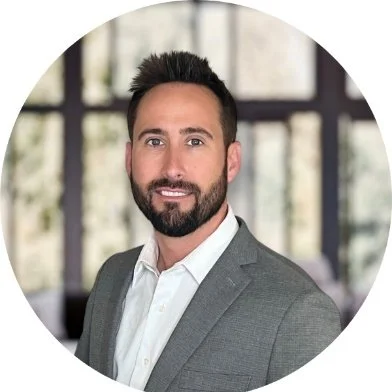
Jeremy Carlin
Loan Officer
NMLS 2704575
262-378-0328 Jeremy@ProVisor.com
Apply Now: JeremyCarlin.com | ProVisor.com | VeteransAmerica.com | NMLS 1802853